



Why Infrastructure Determines System Performance
In modern digital systems, performance is often attributed to application design or user interface quality. While these elements are important, they represent only the visible layer of a much deeper structure. The true determinant of system reliability, scalability, and long-term efficiency lies in the underlying infrastructure. Infrastructure defines how systems behave under load, how they scale with demand, and how consistently they perform in real-world conditions.
Organizations frequently focus on features and front-end improvements while overlooking the foundation that supports them. This creates systems that may appear functional in controlled environments but fail when subjected to real usage patterns. Infrastructure is not just a support layer-it is the system that enables everything else to function reliably. Without a strong foundation, even well-designed applications become fragile, inconsistent, and difficult to scale.
The Hidden Layer of System Performance
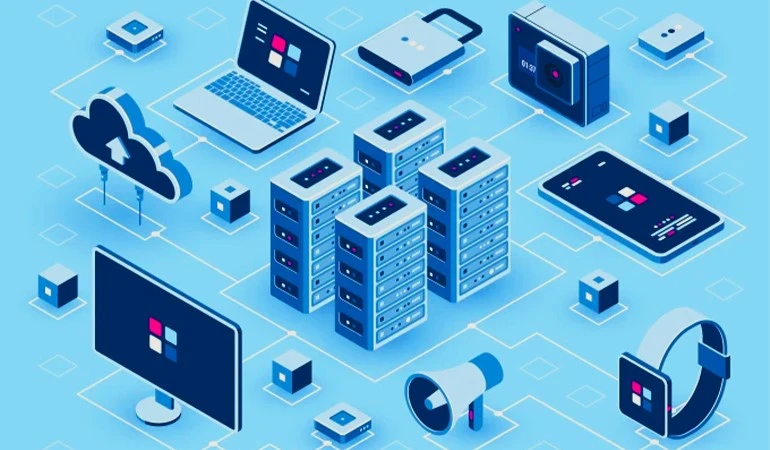
Infrastructure operates behind the scenes, managing resources, handling requests, and ensuring that systems remain stable under varying conditions. It includes servers, networks, databases, cloud environments, and integration layers that collectively determine how efficiently a system can operate. These components must work together seamlessly to support both current demand and future growth.
When infrastructure is poorly designed, systems experience latency, downtime, and inconsistent performance. These issues are often misattributed to application-level problems, leading to superficial fixes rather than structural improvements. A well-architected infrastructure eliminates these bottlenecks at the root level, ensuring that performance remains stable regardless of external pressures.
Scalability Is an Infrastructure Problem
Scalability is commonly misunderstood as an application feature, but in reality, it is an infrastructure capability. Systems scale effectively only when the underlying architecture supports dynamic resource allocation, load balancing, and efficient data handling. Without these elements, increased traffic leads to degraded performance rather than growth.
A scalable infrastructure anticipates change. It is designed to handle fluctuations in demand without requiring constant manual intervention. This involves distributed systems, cloud-native architectures, and optimized data pipelines that allow systems to expand or contract based on real-time needs.

Reliability Through System Design
Reliability is not achieved through reactive fixes but through proactive design. Infrastructure must be built with redundancy, fault tolerance, and monitoring capabilities to ensure that systems continue to operate even when individual components fail. This includes distributed architectures, failover mechanisms, load balancing strategies, and redundancy at multiple layers to eliminate single points of failure. By designing systems that anticipate disruption rather than respond to it, organizations can significantly reduce downtime, maintain service continuity, and ensure consistent performance across all user interactions regardless of operational stress or unexpected conditions.
Monitoring and observability play a critical role in maintaining reliability. By continuously analyzing system behavior through metrics, logs, and real-time insights, organizations can detect anomalies, performance degradation, and potential bottlenecks before they escalate into failures. This level of visibility transforms maintenance from a reactive process into a proactive strategy, allowing teams to make data-driven decisions, optimize system health, and improve both performance and user trust over time.
Performance Is a Continuous Process
System performance is not a one-time outcome but an ongoing process of optimization. Infrastructure must be continuously evaluated and refined based on usage patterns, system load, and evolving requirements. This includes optimizing resource allocation, improving data flow, enhancing network efficiency, and refining system configurations to match real-world conditions. Performance tuning at every layer ensures that systems remain responsive, efficient, and capable of delivering consistent results under varying levels of demand.
As systems grow, new challenges emerge, including increased traffic, data complexity, and integration dependencies. Infrastructure that is not designed for adaptability becomes a limiting factor, restricting growth and increasing operational complexity. Continuous optimization ensures that systems remain efficient, scalable, and aligned with business objectives over time, enabling organizations to expand without compromising stability or performance.
The Cost of Weak Infrastructure
Weak infrastructure introduces inefficiencies that compound over time. Slow response times, system failures, and limited scalability directly impact user experience and business performance. These issues often originate from poor architectural decisions, lack of scalability planning, or insufficient resource management. Over time, these limitations create operational friction, reduce system reliability, and increase the risk of downtime during critical usage periods.
In contrast, investing in strong infrastructure from the beginning reduces long-term costs and enables consistent growth. A well-architected foundation minimizes the need for frequent restructuring, supports seamless scalability, and allows systems to evolve without disrupting existing operations. This creates a stable environment that supports innovation, improves efficiency, and ensures long-term performance without compromising system integrity.
Infrastructure is not a background component-it is the system that defines how reliably everything else performs.
Conclusion
In digital systems, infrastructure is not a supporting layer but the foundation that directly determines performance, scalability, and reliability. While applications and interfaces shape user interaction, it is the underlying architecture that ensures those interactions remain consistent, efficient, and sustainable under real-world conditions. Organizations that prioritize infrastructure build systems capable of handling growth, adapting to change, and maintaining operational stability even under increasing demand and complexity.
NexTechInfra focuses on designing and implementing infrastructure that performs reliably in real environments, not just controlled scenarios. By treating infrastructure as a core system rather than a secondary component, businesses can create digital environments that are resilient, scalable, and built for long-term performance. This approach enables continuous improvement, reduces operational risk, and establishes a strong technical foundation for sustained growth.
Leave a Reply